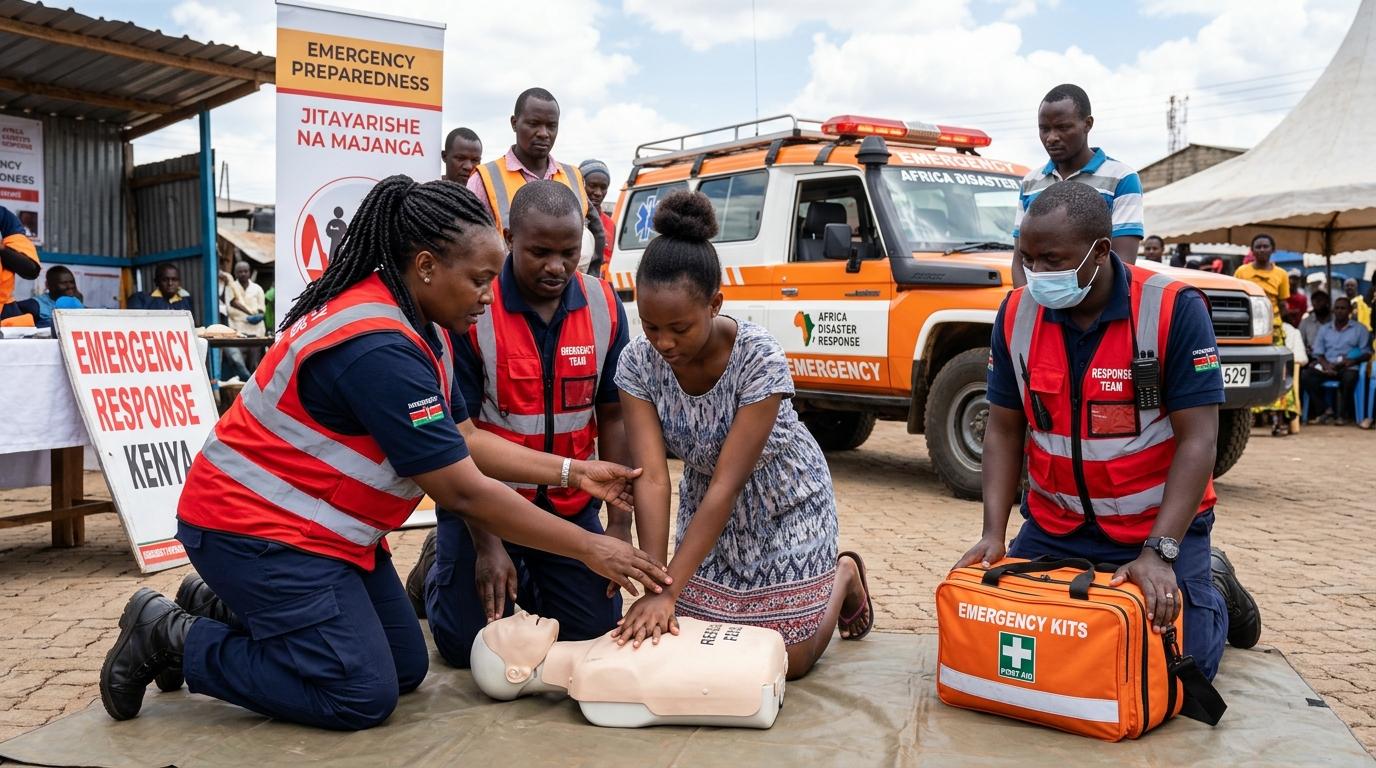
Course Overview
Emergency Preparedness & Response
Workplace emergencies can occur without warning and may
result in injuries, property damage, environmental impacts, operational
disruption, or loss of life. Emergency Preparedness & Response
training equips employees, supervisors, and emergency response personnel with
the knowledge and skills needed to prepare for potential emergencies and
respond effectively when an incident occurs.
The training focuses on identifying potential workplace
emergencies, developing effective emergency response procedures, understanding
individual responsibilities, and taking appropriate action during and after an
incident. Participants learn how to respond to emergencies in a structured and
coordinated manner while prioritizing the protection of people, property, and
the environment.
Key topics include emergency risk assessment, emergency
response planning, evacuation procedures, fire emergencies, first aid
awareness, incident communication, emergency equipment, alarm systems, assembly
points, roles and responsibilities, business continuity, incident reporting,
and post-emergency recovery.
Key Learning Areas
- Understanding
workplace emergency preparedness and response principles
- Identifying
potential workplace emergencies and associated hazards
- Conducting
emergency risk assessments
- Developing
and implementing effective emergency response plans
- Understanding
emergency roles, responsibilities, and reporting structures
- Following
emergency alarm, notification, and communication procedures
- Implementing
safe evacuation and emergency assembly procedures
- Understanding
fire emergency response and basic fire safety measures
- Identifying
and using appropriate emergency equipment
- Understanding
basic first aid and casualty management principles
- Establishing
effective communication during an emergency
- Coordinating
with emergency services and relevant response teams
- Managing
emergencies involving hazardous substances and other workplace hazards
- Understanding
incident reporting and emergency documentation
- Conducting
drills, exercises, and emergency plan reviews
- Supporting
post-incident evaluation, recovery, and corrective actions
Who Should Attend?
Emergency Preparedness & Response training is suitable
for employees, supervisors, managers, health and safety representatives,
emergency response teams, fire wardens, first aiders, security personnel,
facility managers, contractors, and anyone with responsibilities related to workplace
emergency planning or response.
Benefits of Emergency Preparedness & Response
Training
Effective emergency preparedness helps organizations
identify potential threats, establish clear response procedures, and ensure
that employees understand what to do during an emergency. Training can improve
communication, coordination, evacuation practices, and decision-making while
helping organizations strengthen their overall emergency management
arrangements.
Regular training and emergency drills also provide an
opportunity to identify weaknesses in existing response plans and implement
appropriate corrective measures. By preparing employees before an emergency
occurs, organizations can improve their ability to protect people, minimize
disruption, and support an organized response and recovery process.
A well-developed emergency preparedness program should be
regularly reviewed and updated to reflect changes in workplace activities,
personnel, facilities, equipment, and potential hazards.
Learning Objectives
Course Requirements
• Be able to understand and follow workplace safety and emergency instructions.
• Have a basic understanding of occupational health and safety principles.
• Be willing and able to participate in classroom discussions, practical exercises, emergency drills, and assessments.
• Wear suitable work clothing and appropriate safety footwear for practical activities.
• Be familiar with their organization's basic emergency procedures, where the training is conducted at a specific workplace.
• Participate in evacuation exercises and other practical activities where applicable.
• Follow all instructions provided by the trainer during emergency simulations and practical exercises.
• Where the training covers specific emergency equipment, participants should be prepared to receive practical instruction in its safe use.
• Any relevant accessibility, medical, or participation requirements should be communicated to the training provider in advance so appropriate arrangements can be considered.
Recommended Prerequisite
No formal prerequisite is generally required for introductory Emergency Preparedness & Response training. The course is suitable for employees, supervisors, managers, contractors, safety representatives, emergency response team members, and other personnel who may have responsibilities during a workplace emergency.
Personnel assigned specific emergency roles, such as emergency coordinators, fire wardens, first aiders, or emergency response team members, may require additional role-specific training.
Important Note
Emergency preparedness and response arrangements should be based on the hazards, activities, workforce, facilities, and emergency scenarios relevant to each workplace. Training and emergency drills should be conducted in accordance with the organization's emergency response plan and applicable occupational health and safety requirements. Emergency plans should be reviewed and updated periodically to reflect changes in workplace conditions, personnel, equipment, and identified risks.