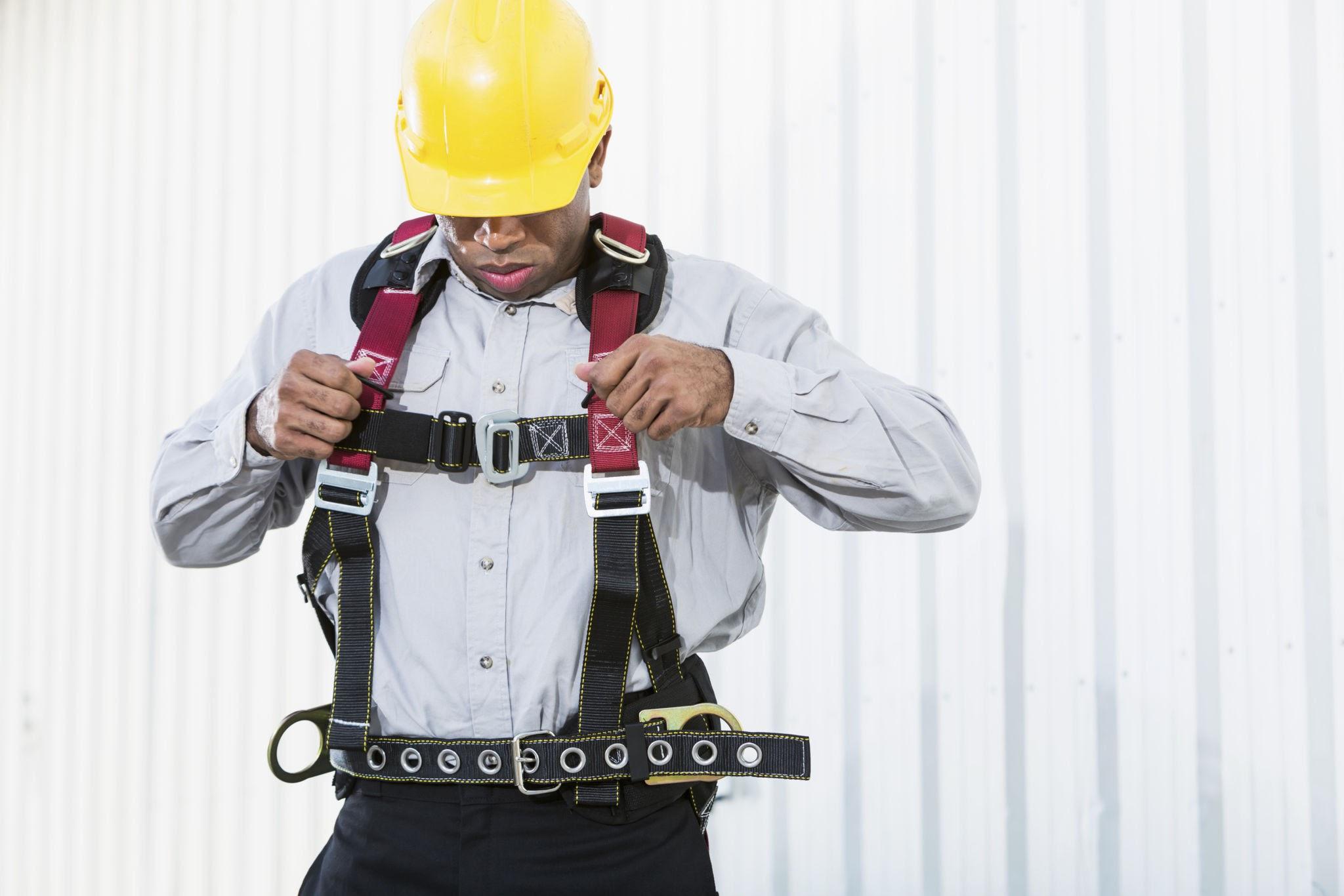
Course Overview
Working at Height Safety
Working at height is one of the most hazardous activities in
many workplaces, with the potential for serious injuries and fatalities
resulting from falls, falling objects, and inadequate safety controls. Working
at Height Safety focuses on preventing accidents by ensuring that workers,
supervisors, and employers understand the risks associated with elevated work
and follow appropriate safety procedures.
Our Working at Height Safety training provides practical
knowledge and guidance on identifying hazards, assessing risks, selecting
suitable access equipment, and implementing effective control measures.
Participants learn how to safely plan and carry out work at height while
complying with workplace health and safety requirements.
The training covers essential topics including fall
prevention, fall protection systems, ladders and scaffolds, mobile elevated
work platforms, personal protective equipment (PPE), harnesses and lanyards,
anchor points, safe access and egress, dropped-object prevention, emergency
procedures, and rescue planning.
Key Learning Areas
- Understanding
the hazards and risks associated with working at height
- Conducting
suitable risk assessments and implementing control measures
- Applying
the hierarchy of controls for work-at-height activities
- Selecting
and correctly using ladders, scaffolds, platforms, and other access
equipment
- Understanding
fall prevention and fall arrest systems
- Correct
use, inspection, and maintenance of safety harnesses and other PPE
- Identifying
suitable anchor points and connection systems
- Preventing
tools and materials from falling from elevated work areas
- Establishing
safe work procedures and exclusion zones
- Understanding
emergency response and work-at-height rescue procedures
- Recognizing
unsafe practices and taking appropriate corrective action
Who Should Attend?
This training is suitable for employees, supervisors, team
leaders, contractors, site managers, health and safety representatives,
maintenance personnel, construction workers, and anyone whose duties involve
working at height or supervising work-at-height activities.
Benefits of Working at Height Safety Training
Effective working-at-height training helps organizations
reduce the risk of falls and other workplace incidents, improve employee
awareness, strengthen safety practices, and support compliance with applicable
occupational health and safety requirements. It also equips workers with the
knowledge and practical skills needed to identify hazards and take appropriate
preventive measures before starting work.
By promoting proper planning, equipment selection,
inspection, safe working practices, and emergency preparedness, organizations
can create a safer working environment for everyone involved in elevated work
activities.
Learning Objectives
Course Requirements
• Be physically capable of safely participating in work-at-height activities, subject to the organization's applicable occupational health requirements.
• Have a basic understanding of workplace health and safety principles.
• Be able to understand and follow safety instructions and procedures.
• Wear appropriate work clothing and safety footwear when practical demonstrations are included.
• Bring or use required PPE for practical training activities, where applicable, such as a safety helmet, safety footwear, harness, and other approved fall-protection equipment.
• Participants involved in specific work-at-height activities should be familiar with their organization's relevant work procedures, risk assessments, and permit-to-work requirements.
• Any required medical or fitness assessment should be completed in accordance with the employer's workplace safety procedures and applicable legal requirements.
Recommended Prerequisite
No formal prerequisite is generally required for introductory Working at Height Safety training. However, participants who regularly perform work at height should receive training appropriate to their specific job duties, equipment, workplace hazards, and level of responsibility.